 English
 KR
KR  IA
IA  JP
JP 

Setup of Tier 1 Operating Theatre
Surgical care is a vital pillar of healthcare delivery, essential for managing trauma, obstetric emergencies, congenital anomalies, infections, and non-communicable diseases like cancer. Yet in Nigeria, safe, timely, and affordable surgical services remain out of reach for millions, particularly in underserved and rural areas. Many hospitals operate with outdated infrastructure, insufficient surgical equipment, and inadequate infection control measures, making routine and emergency surgeries high-risk procedures.
The Tier 1 Operating Theatre Project is a strategic healthcare infrastructure initiative aimed at transforming surgical care in Nigeria by establishing a world-class operating suite within a hospital environment. Built to international standards, this facility will provide the infrastructure and expertise needed to handle a wide range of life-saving procedures, dramatically improving surgical outcomes and healthcare system resilience.
By prioritizing safety, technology, and staffing, this project will elevate the standard of care and position the host hospital as a center of surgical excellence
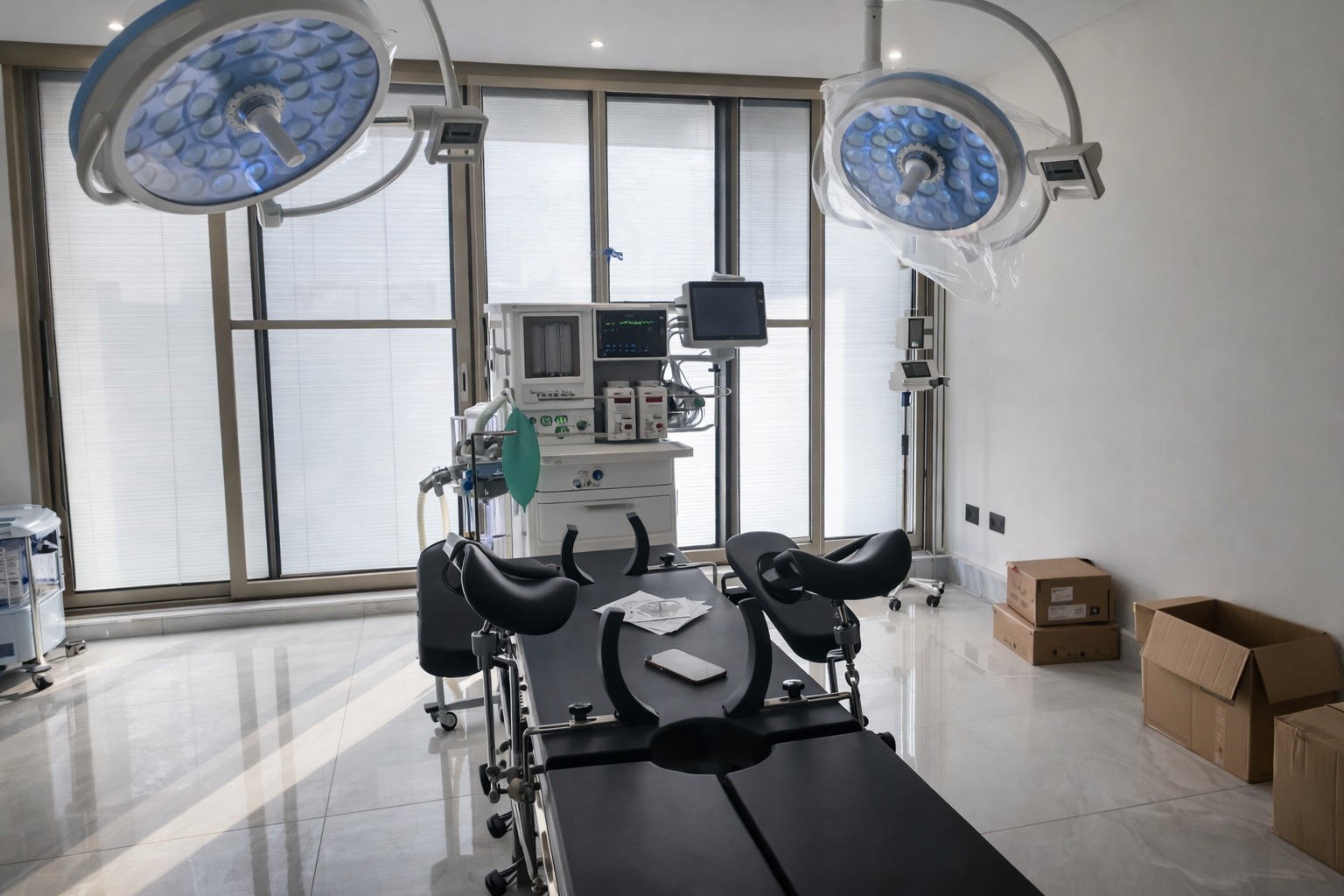
This Tier 1 Operating Theatre will serve as a flagship surgical facility within a hospital, addressing the increasing demand for accessible, timely, and safe surgical services. It will be equipped with cutting-edge technology, highly trained surgical teams, and strict infection control protocols to ensure optimal patient outcomes.
In addition to meeting the urgent need for improved surgical infrastructure, the Tier 1 Operating Theatre Project aims to become a cornerstone of surgical training and clinical innovation. As part of a larger vision for sustainable health system reform, the facility will include dedicated spaces for medical education, simulation-based learning, and peer collaboration. Surgeons, nurses, and anesthetists will benefit from continuous professional development programs tailored to both local healthcare realities and international best practices. This emphasis on workforce capacity building ensures that the impact of the project will extend far beyond the physical structure, contributing to a pipeline of skilled professionals equipped to serve across Nigeria.
Proposed Impact of Tier 1 Operating Theatre in Nigeria
Increased Surgical Capacity
Reduction in Surgical Morbidity and Mortality
Workforce Development and Job Creation
Project Objectives
Establish a Tier 1 Operating Theatre
- Design and construct a fully equipped surgical suite built to international guidelines, including modular operating rooms, sterile corridors, and integrated systems for ventilation, lighting, and waste management.
Equip the Theatre with State-of-the-Art Technology
- Procure and install essential surgical and anesthetic equipment, including operating tables, overhead lights, electrosurgical units, patient monitors, autoclaves, and laparoscopic systems.
Recruit and Train Multidisciplinary Surgical Teams
- Employ experienced healthcare professionals and provide continuous training in advanced surgical techniques, infection control, and emergency response protocols.
Implement Sterile Workflow Systems
- Establish zoning and flow systems to separate sterile and non-sterile areas, including scrub zones, recovery units, and sterilization rooms, to reduce contamination risks.
Ensure Reliable Utility Backup Systems
- Install hospital-grade oxygen lines, suction systems, and an uninterrupted power supply to ensure surgeries can be safely conducted even during utility disruptions.
Facilitate Integration with Emergency and Inpatient Services
- Coordinate the theatre’s operations with emergency rooms, ICUs, and inpatient wards for efficient patient transfer, pre-op evaluation, and post-op recovery.

Proposed Timeline
Phase 1: Planning and Feasibility (Months 1–3)
- Engage architectural and biomedical consultants for theatre design
- Secure approvals and compliance with health regulatory bodies
Phase 2: Construction and Infrastructure Setup (Months 4–9)
- Establish sterile corridors, scrub stations, and post-operative recovery bays
Phase 3: Equipment Procurement and Installation (Months 10–12)
- Set up utility systems including power backups, oxygen supply, and emergency lighting
- Conduct quality assurance checks on all installations
Phase 4: Staff Recruitment and Training (Months 13–15)
- Begin orientation and hands-on training on equipment, patient safety, and protocol adherence
Phase 5: Operational Launch and Evaluation (Months 16–18)
- Officially open the theatre for clinical operations
- Begin data collection for performance evaluation and continuous improvement