 English
 KR
KR  IA
IA  JP
JP 

Set Up of 6 Bed Dialysis Centre with Laboratory
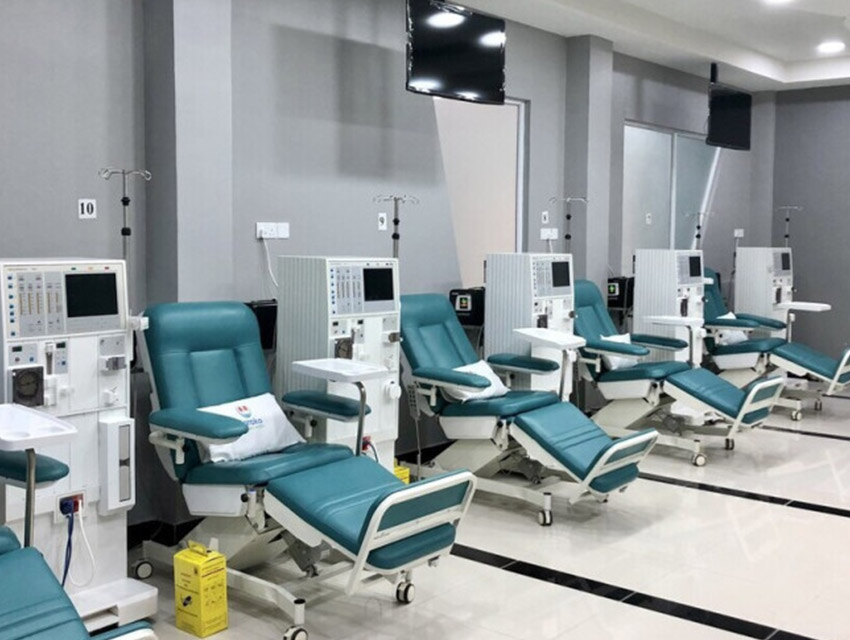
A modern dialysis facility provides a controlled, clinical environment where patients with ESRD can receive ongoing treatment with safety, consistency, and dignity. Hemodialysis, the most common therapeutic approach, requires advanced medical equipment and a multidisciplinary team skilled in nephrology, patient care, and infection control. The successful development of a dialysis centre involves comprehensive planning across several areas: infrastructure design, acquisition of specialized technology, recruitment and training of personnel, and adherence to regulatory and quality standards. Essential systems—such as medical-grade water treatment, emergency care readiness, and patient monitoring—must be carefully integrated to ensure optimal outcomes.
The core objective of a dialysis centre is to significantly reduce the mortality and morbidity associated with kidney failure by offering timely and continuous access to treatment. In many regions of Nigeria, patients are compelled to travel long distances or relocate entirely to receive regular dialysis, placing immense financial and emotional strain on families. Strategically located centres, especially in underserved or peri-urban areas can help decentralize renal care, bring services closer to those in need, and ease the burden on major hospitals. By expanding access, these centres not only improve patient outcomes but also help reduce avoidable deaths and complications.
Beyond treatment, a well-established dialysis centre can function as a hub for community education, early detection, and prevention of kidney disease. Integrating public awareness programs, health screenings, and lifestyle counseling can help identify high-risk individuals early and reduce the overall incidence of CKD. Including nephrologists, dietitians, and patient educators as part of the core clinical team ensures a holistic approach to care, focusing not only on managing the disease but also on improving long-term quality of life through behavioral and dietary interventions.
From an economic and systemic standpoint, setting up a dialysis centre contributes significantly to healthcare capacity-building. It creates diverse employment opportunities, from clinical roles to technical and administrative support, and strengthens local health systems through training and knowledge-sharing. Furthermore, dialysis centres can serve as platforms for public-private partnerships, medical research, and collaboration with health insurers and pharmaceutical companies to ensure operational sustainability. Over time, these facilities can evolve to include transplant referral services, telehealth support, or satellite outreach units in more remote areas.
In summary, the development of a dialysis centre is a critical and strategic investment in Nigeria’s healthcare future. It addresses a growing public health crisis, improves patient survival and quality of life, and builds a more resilient and inclusive health system. With thoughtful planning, adequate funding, and a commitment to patient-centered care, dialysis centres have the potential to become transformative pillars of hope, healing, and healthcare innovation for communities across the nation.
Solution
Improved Access to Lifesaving Treatment
Reduction in Mortality and Complications from Kidney Disease
Job Creation and Capacity Building
Project Objectives
Our broad objective is to establish an ultra-modern Dialysis centre that provides safe, quality, predictable, and compassionate dialysis treatment. We need to achieve the following objectives:
Supply and install Dialysis Machines
The proposed number of Dialysis machines to be supplied would depend on the size and scope of the project
Supply and install a Central Water Treatment System
The specification of the central water treatment would be based on the proposed number of Dialysis machines
Supply Dialysis Consumables and Test Kits for measuring Urea, Creatinine, and PVC
This includes Dialysis consumables as well as kits for measuring Urea, Creatinine, and PVC
Technical and Application Training
Carried out for Renal Nurses, Dialysis Technicians for safe operation and basic maintenance of Dialysis machines

Proposed Timeline
Phase 1: Planning, Approvals & Procurement
- Secure facility (existing space or temporary modular structure)
- Obtain fast-tracked regulatory approvals and licenses
- Finalize contracts with equipment suppliers and contractors
- Begin procurement of dialysis machines, water treatment systems, and essential equipment
Phase 2: Renovation, Installation & Staffing
- Install infrastructure: plumbing, power supply, water purification systems, and IT setup
- Receive and install dialysis machines and supporting equipment
- Begin recruitment and onboarding of clinical and administrative staff
Phase 3: Training, Setup & Test Runs
- Establish patient intake systems, electronic records, and workflow processes
- Conduct operational tests, including emergency simulations and mock treatments
- Engage with local hospitals for patient referrals and community awareness
Phase 4: Soft Launch & Full Operations
- Collect feedback, refine processes, and ensure operational efficiency
- Launch full-scale operations with daily dialysis schedules
- Begin community outreach and education programs on kidney health and early detection