English
 KR
KR  IA
IA  JP
JP 

Acquisition of 32 slices CT Scan
Medical imaging plays a critical role in the early detection, diagnosis, and management of various diseases. Among the most essential imaging modalities, Computed Tomography (CT) scanning is indispensable for accurate and timely medical assessments. It is widely used for detecting conditions such as tumors, strokes, fractures, infections, and vascular diseases. Despite its significance, access to CT imaging remains a major challenge in Nigeria, particularly in public hospitals, where outdated equipment, high patient loads, and maintenance issues persist.
Statistics indicate that thousands of Nigerians require CT scans annually for proper diagnosis and treatment planning.
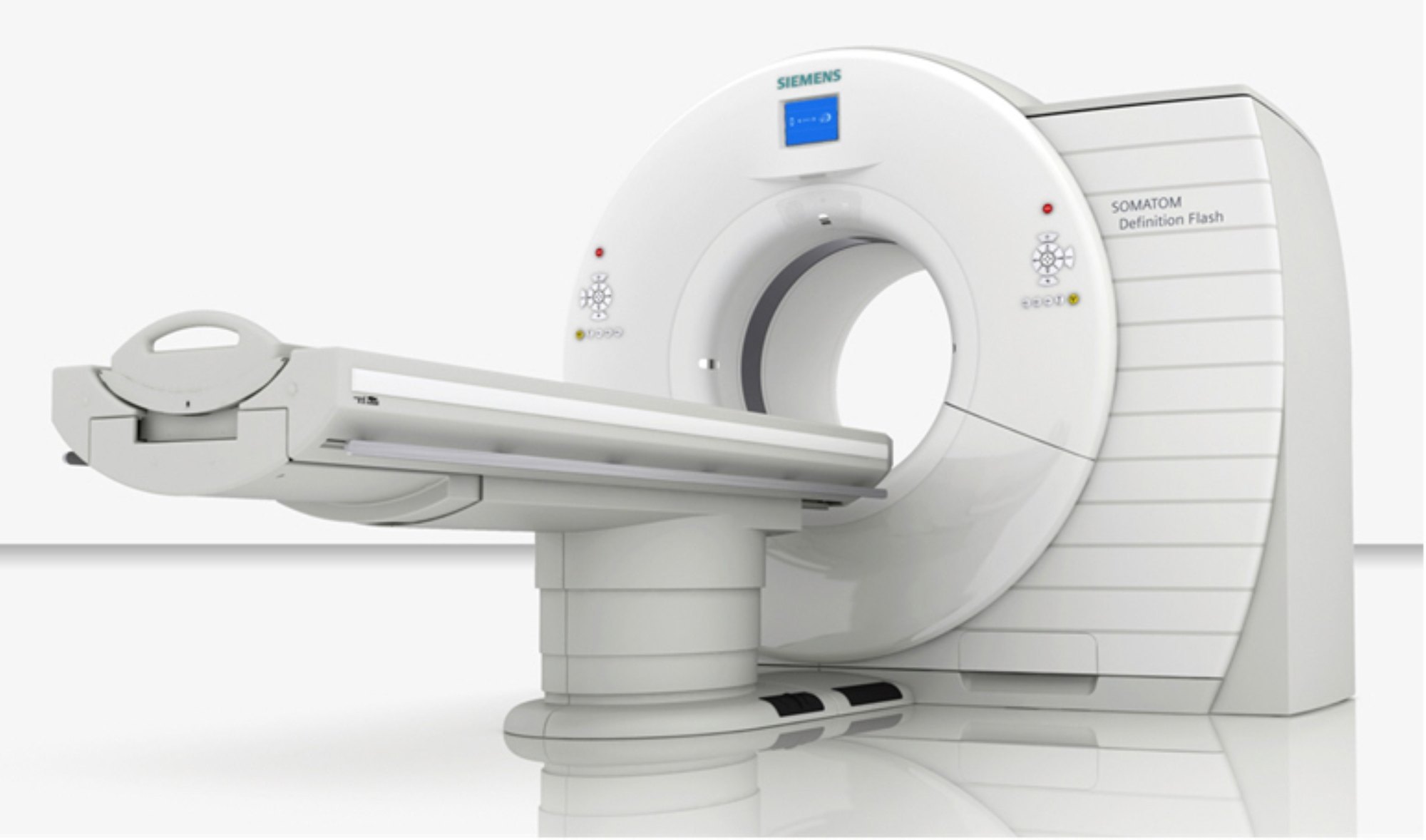
However, the availability of modern, well-maintained CT scanners is grossly inadequate. Many healthcare facilities, especially public hospitals, either lack functional CT scanners or operate outdated models that compromise the quality and efficiency of imaging services. This gap in medical imaging infrastructure contributes to delays in diagnosis, leading to poor treatment outcomes and increased healthcare costs.
The World Health Organization (WHO) and various global health agencies emphasize the need for accessible, high-quality diagnostic imaging services as a fundamental component of effective healthcare delivery. The absence of well-equipped CT imaging centres means that many patients, particularly those in critical conditions, must travel long distances or experience prolonged waiting times, significantly impacting their prognosis.
Given these challenges, the establishment of a state-of-the-art CT Imaging Centre within a hospital is crucial to improving diagnostic capabilities, enhancing patient care, and reducing mortality rates associated with delayed diagnoses. This centre will be designed to operate at international standards, ensuring the delivery of high-quality, accurate, and timely imaging services.
The proposed CT Imaging Centre will address the prevailing issues in diagnostic imaging by incorporating modern technology, highly trained personnel, and efficient management systems. It will also improve accessibility for patients in need, offering reliable and cost-effective CT imaging services that support healthcare providers in making precise and informed clinical decisions.
The scope of this project is to establish an ultra-modern CT Imaging Centre that will provide safe, high-quality, and efficient diagnostic imaging services. This initiative will contribute significantly to the healthcare system by reducing diagnostic delays, improving treatment outcomes, and elevating the standard of radiological services available to Nigerians.
Solution
Improved Access to Advanced Diagnostic Imaging
Reduction in Mortality and Health Complications
Job Creation and Capacity Building
Project Objectives
Supply and Install a CT Scanner
The proposed CT scanner will be a modern, high-resolution system capable of producing accurate and detailed diagnostic images.
Supply and Install a Dedicated Power Backup System
A stable and uninterrupted power supply, including backup generators and UPS systems, to ensure continuous operation of the CT scanner.
Technical and Application Training
Comprehensive training for radiologists, radiographers, and technicians on the safe operation, image optimization, and routine maintenance of the CT scanner.
Set Up a PACS (Picture Archiving and Communication System)
A digital system for storing and managing imaging data, ensuring seamless access and retrieval of patient records by healthcare professionals.
Supply Imaging Consumables and Contrast Media
Provision of essential imaging consumables, including contrast agents, radiation protection materials, and patient preparation supplies.
Implement Quality Control and Safety Measures
Adoption of international best practices in radiation safety, image quality assurance, and equipment maintenance to enhance diagnostic accuracy and patient safety.
Continuity of Care
Information travels with you; coordinated handoffs prevent repetition and missed details entirely.
Evidence-Based Protocols
Standardized pathways follow latest guidelines, audited regularly to ensure consistent outcomes.
Vestitude App